Water Removal & Extraction Across DC, MD & VA — Professional Equipment, Accurate Results
IICRC-Certified Extraction Equipment & Post-Extraction Moisture Verification — All Insurance Carriers
Water removal and extraction is the phase that clears standing and accumulated water from a structure using professional-grade equipment — and the accuracy of that process determines how much moisture remains in structural materials before the drying phase begins. EZ Restoration Solutions provides water removal and extraction services across DC, MD & VA using IICRC-certified technicians, commercial pumps and vacuums, and thermal imaging to map residual moisture that extraction equipment cannot directly reach. Getting the extraction phase right is not just about removing visible water — it is about leaving the structure in the best possible condition for the drying process that follows.
What Professional Water Extraction Involves
Water extraction is not a single action — it is a layered process. The visible standing water that can be pumped out is only part of the picture. Water that has already penetrated flooring, saturated drywall at the base, and wicked into subfloor cavities requires different equipment and a different approach than the water sitting on the surface.
Professional extraction uses a combination of truck-mounted pumps for volume removal, portable extractors for confined areas and residual water, and thermal imaging cameras to locate water that has moved below the visible surface. Each tool addresses a different depth and location of water accumulation.
The goal of the extraction phase is to remove as much water as possible from the structure before drying equipment is placed — because every percentage point of moisture that extraction removes is a percentage point that the drying phase does not need to address. A thorough extraction shortens the drying timeline and reduces the total scope of the restoration.
For Service in Your Area Call Our Emergency Response Team
Emergencies can strike without warning, leaving your home or business unsafe and overwhelmed with damage. Whether you’re dealing with fire, flooding, mold growth, or storm-related destruction, our team is ready to respond anytime.
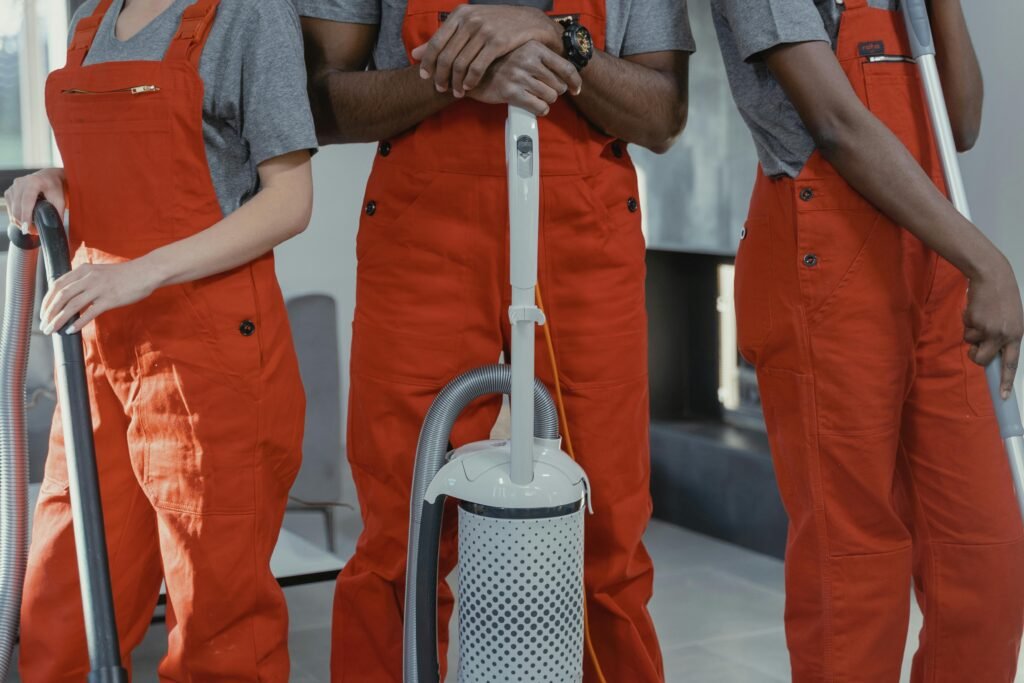
Our Water Removal & Extraction Process
EZ Restoration Solutions follows a four-step extraction process — from arrival through documented handoff to the drying phase:
- Step 1 — Arrival & Assessment: Technicians identify the water source, assess the affected area, and take initial moisture readings at floor level, wall bases, and subfloor across the affected zone before extraction begins
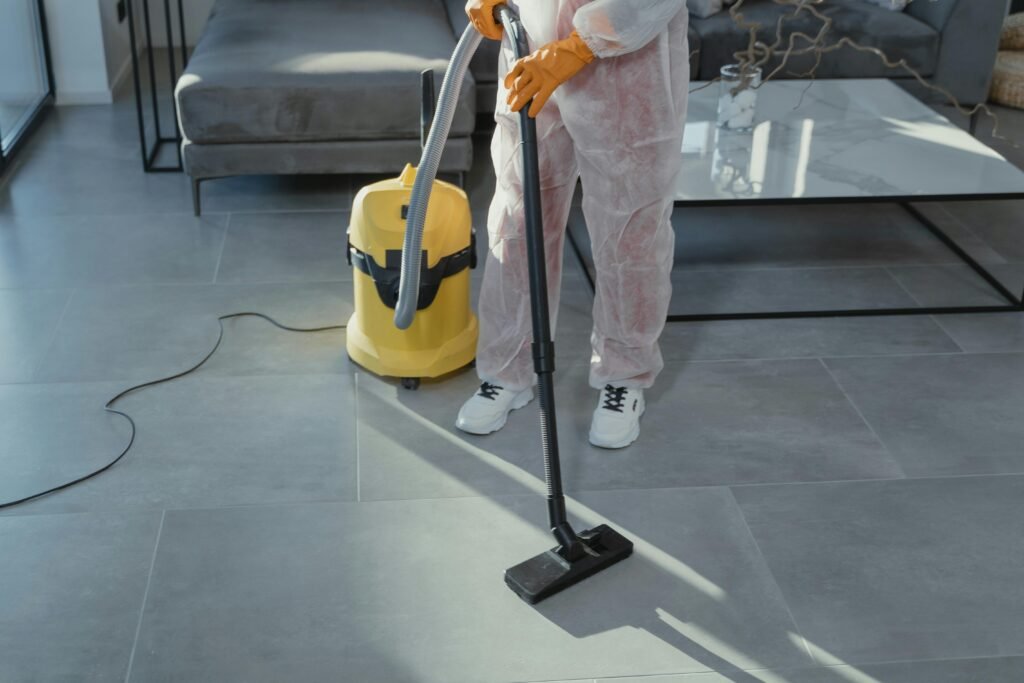
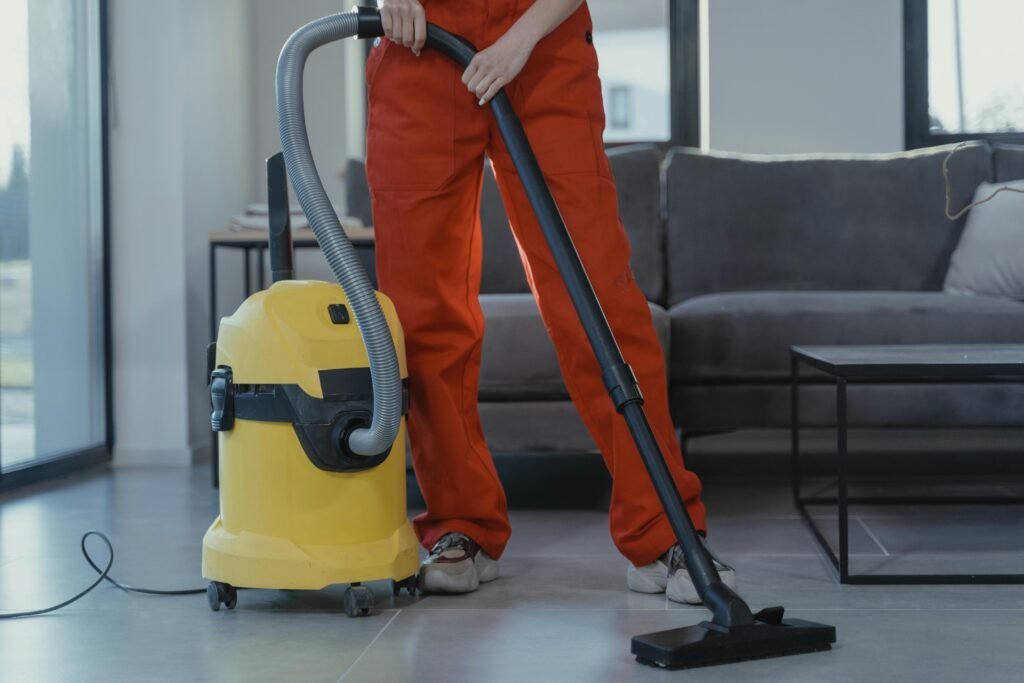
- Step 2 — Extraction: Truck-mounted commercial pumps remove standing water; portable extractors address confined areas, stairwells, and residual water at wall bases; wet-vac units clear water from carpet and surface materials
- Step 3 — Moisture Mapping: Thermal imaging cameras scan walls, floors, and ceilings to locate water migration that extraction equipment has not reached; moisture meter readings document the residual moisture profile across the affected structure
- Step 4 — Documentation Handoff: Post-extraction moisture readings are recorded and included in the Water Extraction Completion Report — the extraction record that supports the next phase and provides documentation for the insurance claim process
The extraction phase is complete when standing water is cleared and residual moisture is fully mapped. The drying phase — which follows extraction — is covered in detail on our structural drying page.
Why Professional Extraction Produces Better Outcomes Than DIY
The difference between professional extraction and consumer-grade water removal is not simply equipment size — it is the combination of extraction capacity, thermal imaging, and moisture verification that determines how thoroughly water is removed before drying begins.
- Consumer shop vacuums and wet-vacs move water in gallons per session — commercial truck-mounted extractors move water at rates that residential equipment cannot approach
- Without thermal imaging, water that has migrated into wall cavities and under flooring is not detected — and undetected moisture left in the structure advances to secondary damage and mold during and after the drying phase
- Without post-extraction moisture readings, there is no baseline for the drying phase to measure against — professional extraction creates the documented starting point that structural drying technicians need to monitor progress
Professional extraction is not just faster — it sets the conditions for accurate, monitored, documented drying. Consumer-grade removal without moisture mapping frequently leaves residual moisture that advances undetected.
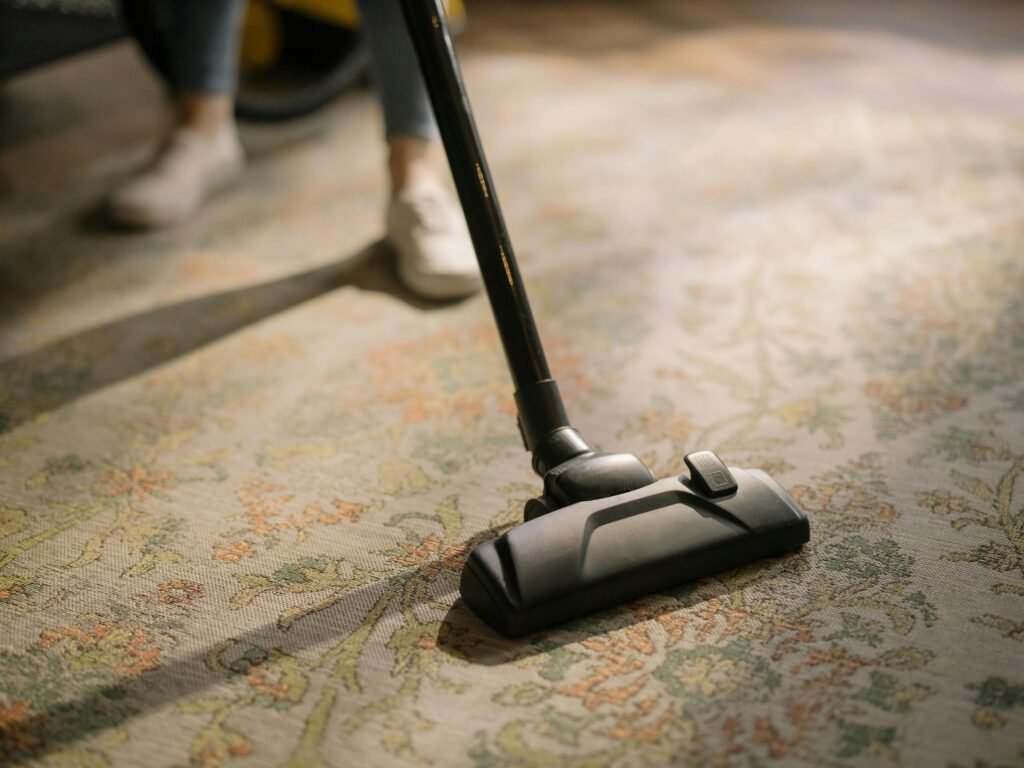
Water Extraction Across Different Water Damage Scenarios
The extraction approach varies by the source and location of the water — though the equipment and verification process remains consistent. Common extraction scenarios across DC, MD & VA:
- Pipe failure water extraction — burst or failed pipes can discharge volume rapidly; extraction begins at the concentrated area and works outward as thermal imaging maps migration
- Appliance overflow extraction — kitchen and bathroom overflow events; extraction priority is subfloor and cabinet base before water migrates to adjacent rooms
- Crawl space and basement extraction — below-grade water requires extraction equipment configured for confined, low-clearance environments; see our basement flooding cleanup page for the full below-grade response
- Post-flood extraction — storm and stormwater events often deposit debris alongside water; debris removal precedes extraction for accurate access
- Sewage water extraction — where sewage water is present, extraction follows contamination category protocols; handled separately from clean and grey water events
For cause-specific emergency response — burst pipe, basement flooding, or storm flooding — see the dedicated service pages linked below. This page covers the extraction methodology that applies across all scenarios.
Contact Info
For urgent situations, we recommend calling our 24/7 emergency response team.
If you’re unable to call right now, please fill out the form below and we’ll contact you shortly.
WATER EXTRACTION COMPLETION REPORT
Every water removal and extraction job includes a Water Extraction Completion Report: initial moisture readings taken on arrival, post-extraction moisture readings at all documented measurement points, thermal imaging findings confirming the residual moisture map, and a record of the extraction scope — organized to support the insurance claim process and to provide the drying team with a documented starting baseline.
Contact Our Emergency Response Team
Commercial Water Removal & Extraction
EZ Restoration Solutions provides commercial water removal and extraction for offices, retail spaces, restaurants, warehouses, and multi-unit buildings across the DMV region. Commercial extraction jobs often involve larger affected areas and more complex moisture mapping requirements. Our IICRC-certified teams scale equipment to commercial scope and deliver the same Water Extraction Completion Report for commercial insurance documentation. Call 866-676-5515.
Frequently Asked Questions
Water removal and water extraction refer to the same service — physically removing water from a structure using professional equipment. 'Extraction' is the technical industry term used by IICRC-certified restoration professionals. The process involves more than pumping visible water: it includes locating and addressing water that has already migrated into structural materials using thermal imaging and moisture meters.
EZ Restoration Solutions uses truck-mounted commercial extractors for volume water removal, portable extraction units for confined spaces and residual water, wet-vac units for carpet and surface materials, FLIR thermal imaging cameras to locate moisture migration behind walls and under flooring, and calibrated moisture meters to document moisture readings before and after extraction.
Consumer shop vacuums and wet-vacs are surface tools — they remove water at floor level but cannot detect or address water that has already absorbed into drywall, migrated under flooring, or accumulated in wall cavities. Professional extraction uses thermal imaging to map hidden moisture and commercial-grade equipment to remove residual water that consumer tools cannot reach. Without this combination, moisture left in the structure advances to secondary damage during and after the drying phase.
Once extraction is complete and residual moisture is mapped, structural drying equipment — industrial air movers and LGR dehumidifiers — is deployed to remove moisture from inside walls, subfloor, and structural framing. EZ Restoration Solutions provides a Water Extraction Completion Report at the end of the extraction phase, which documents initial and post-extraction moisture readings and supports the insurance claim process. See our structural drying page for what the drying phase involves.
In most cases, water removal and extraction is covered as part of a water damage claim when the event is sudden and accidental. Coverage depends on your specific policy and the cause of the water damage. EZ Restoration Solutions provides a Water Extraction Completion Report documenting the extraction scope and moisture readings to support the claim process. We recommend confirming coverage directly with your carrier.
Yes. EZ Restoration Solutions provides commercial water removal and extraction for offices, retail spaces, restaurants, warehouses, and multi-unit buildings across the DMV region. Commercial extraction jobs receive the same IICRC-certified technicians, commercial equipment, thermal imaging moisture mapping, and Water Extraction Completion Report as residential jobs. Call 866-676-5515.